
Why a Sewer Scope Matters When Buying a Home in Colorado Springs
When purchasing a home in the Colorado Springs area, most buyers focus on the big-ticket items they can see: the roof, furnace, foundation, and overall condition of the property. One critical system, however, is often overlooked because it is out of sight and underground: the sewer line.
In a region known for expansive and shifting soils, skipping a sewer scope can be a costly mistake. A sewer scope inspection provides valuable insight into the condition of a home’s sewer line and can help buyers avoid unexpected repairs after closing.
What Is a Sewer Scope Inspection?
A sewer scope is a specialized inspection where a licensed professional inserts a camera into the home’s main sewer line to evaluate its condition from the house to the city connection or septic tank.
This inspection can identify:
- Cracks, breaks, or collapsed pipes
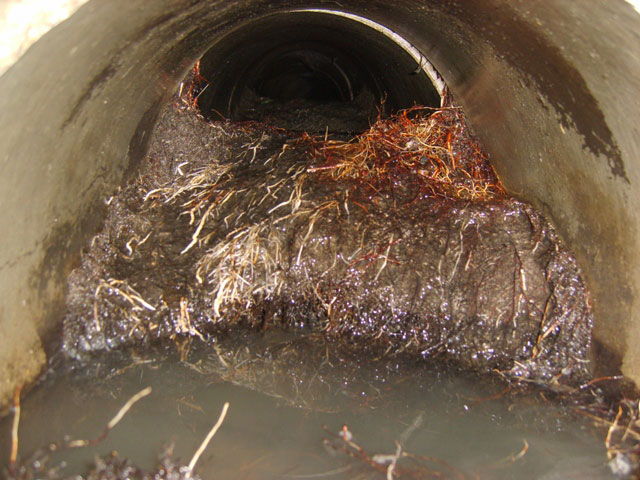
- Root intrusion
- Pipe offset or separation
- Bellies (low spots where waste collects)
- Deterioration from aging materials
Unlike a standard home inspection, sewer lines are not fully evaluated unless a sewer scope is specifically requested.
Why Sewer Scopes Are Especially Important in Colorado Springs
Colorado Springs is built on expansive clay soils, which expand when wet and contract when dry. According to the Colorado Geological Survey, these soil conditions can cause ground movement that impacts foundations, utility lines, and underground infrastructure.
Over time, this movement can lead to:
- Pipe shifting and misalignment
- Offsets at pipe joints
- Cracks or fractures in older sewer materials
Even homes that appear well-maintained on the surface may have hidden sewer issues below ground.
Properties More Susceptible to Sewer Line Issues
While any home can experience sewer problems, certain properties in Colorado Springs carry a higher risk.
Older Homes
Homes built before the 1980s often have sewer lines made of:
- Clay
- Cast iron
- Orangeburg (a compressed fiber pipe no longer used)
These materials are more prone to cracking, root intrusion, and collapse over time.
Homes With Mature Trees
Large or mature trees, common in established neighborhoods, can send roots deep underground. Roots naturally seek moisture and can infiltrate small cracks in sewer lines, eventually causing blockages or breaks.
Homes in Established Central Neighborhoods
Areas closer to downtown and older parts of Colorado Springs often have aging sewer infrastructure. These neighborhoods can be charming and highly desirable, but sewer lines may be nearing the end of their lifespan.
Properties on Slopes or Hillsides
Homes built on sloped lots or uneven terrain are more susceptible to pipe movement and offsets due to soil shifting and gravity.
Common Sewer Line Problems Found in This Area
During sewer scope inspections in Colorado Springs, inspectors frequently find:
- Root intrusion from trees and shrubs
- Offset joints, where sections of pipe no longer align
- Cracked or fractured pipes from soil movement
- Bellies that cause standing waste and recurring backups
Left unaddressed, these issues often worsen over time.
The Real Cost of Sewer Line Repairs
One of the biggest reasons to perform a sewer scope is cost awareness. Sewer repairs are not minor expenses.
Typical costs can include:
- Root removal and cleaning: $300 to $1,000
- Spot repairs: $2,000 to $5,000
- Full sewer line replacement: $8,000 to $20,000+
These costs can increase depending on:
- Depth of the line
- Landscaping or hardscaping that must be removed
- Street or sidewalk involvement
Without a sewer scope, buyers often discover these issues only after moving in.
Health and Safety Risks of a Failing Sewer Line
Beyond cost, a damaged sewer line can pose serious risks:
- Sewage backups inside the home
- Exposure to harmful bacteria and gases
- Mold growth from repeated moisture issues
- Damage to flooring, drywall, and personal property
In severe cases, sewer failures can make a home temporarily uninhabitable.
How a Sewer Scope Protects Buyers and Sellers
A sewer scope inspection provides clarity and leverage during a real estate transaction.
For buyers, it can:
- Prevent unexpected post-closing expenses
- Support inspection objections or repair negotiations
- Inform long-term maintenance planning
For sellers, it can:
- Reduce last-minute surprises
- Allow repairs to be addressed proactively
- Build trust and transparency with buyers
Many buyers choose to request a sewer scope even on newer homes, especially in areas with known soil movement.
Hyperlocal Insight Matters
Not all regions face the same risks. In Colorado Springs, soil conditions, home age, and infrastructure history make sewer scopes a wise investment rather than an optional add-on.
The City of Colorado Springs Utilities also encourages homeowners to understand where private sewer responsibility ends and city responsibility begins, as repairs on private lines are typically the homeowner’s responsibility.
Final Thoughts
A sewer line may be out of sight, but it should never be out of mind during a home purchase. In Colorado Springs, where shifting soils and aging infrastructure are common, a sewer scope inspection can save buyers from costly surprises and protect their investment.
If you are purchasing a home, especially an older property or one with mature landscaping, asking for a sewer scope is a practical and informed decision. It is a small upfront cost that can provide significant peace of mind.
Written by:
Alzira Escobar-Pruitt, REALTOR® | SRES®, Senior Real Estate Specialist
 Colorado Springs Real Estate Blog
Leave a comment