
With online listings, instant home value estimates, and national real estate headlines everywhere, it’s easy to assume that all the information you need is just a few clicks away. But in a city like Colorado Springs, numbers alone don’t tell the full story. Local market knowledge still matters, and in many cases, it’s the difference between a smooth experience and an expensive lesson.
Colorado Springs isn’t one market. It’s dozens of micro-markets layered together, each behaving a little differently.
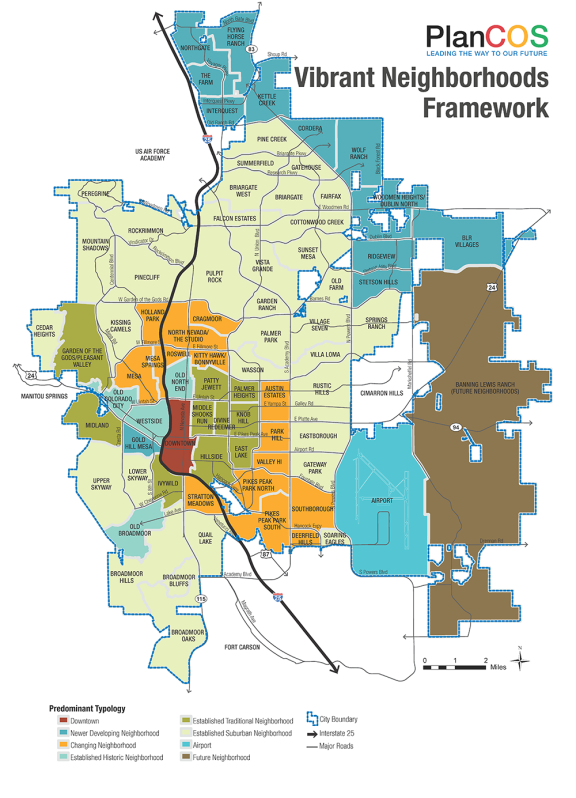

Colorado Springs Is a City of Micro-Markets
A home’s value and desirability here can change dramatically within a few blocks. Elevation, views, traffic patterns, school zones, and proximity to open space all play a role.
For example, west side neighborhoods near Garden of the Gods or Red Rock Canyon Open Space often behave very differently from east side master-planned communities, even when homes are similar on paper.
Local knowledge helps explain why one home sells immediately while another nearby lingers.
Military Influence Isn’t Reflected in National Data
Colorado Springs is heavily influenced by military activity, and national trends don’t account for that well.
Installations like Fort Carson, Peterson Space Force Base, and Schriever Space Force Base create predictable cycles of demand tied to PCS season, VA loan usage, and rental turnover.
Local professionals understand when demand spikes, which price points move fastest, and how to position a home during these cycles.
Online Data Can’t Capture Lifestyle Value
Algorithms struggle with lifestyle-driven value, which is huge in Colorado Springs.
Trail access, mountain views, noise exposure, wind patterns, wildlife activity, and commute flow all affect how a home lives. Homes near Palmer Park or Ute Valley Park often attract buyers willing to pay a premium for daily access to nature, even if the square footage is smaller.
Local insight helps buyers understand what features truly matter in each area.
HOAs and Neighborhood Rules Vary Widely
HOAs are common in Colorado Springs, especially in newer developments, but they’re not all the same.
Some cover snow removal, landscaping, and exterior maintenance. Others focus mainly on architectural control. Fees, enforcement style, and long-term financial health vary widely.
Local knowledge helps buyers interpret HOA documents realistically instead of assuming all HOAs operate the same way.
Commute Reality Is Different Than a Map Suggests
A GPS estimate doesn’t tell you how traffic feels at 7:30 a.m. on a weekday.
East-west commutes, military gate traffic, school drop-off patterns, and winter weather all change drive times. Someone who knows the area can tell you which routes clog daily and which ones stay relatively predictable.
That kind of insight directly impacts daily quality of life.
New Construction vs Established Neighborhoods
New builds on the east side and infill or custom homes on the west side come with very different expectations.
Local knowledge helps buyers understand:
- Which builders have strong reputations
- Where incentives affect resale
- How long neighborhoods take to feel “finished”
- Which areas hold value due to land scarcity
This context rarely shows up in listing descriptions.
Pricing Strategy Is Hyperlocal
Pricing a home correctly in Colorado Springs isn’t about county-wide averages. It’s about recent activity on that street, in that neighborhood, at that price point.
A home may need aggressive pricing in one area and a more confident strategy in another. Local expertise helps sellers avoid overpricing, underpricing, or chasing the market downward.
Local Professionals See Patterns Early
Local agents, inspectors, lenders, and contractors often see trends before they show up in data.
They notice:
- Shifts in buyer preferences
- Appraisal challenges in certain areas
- Insurance issues tied to hail or wildfire zones
- Which features are becoming deal-breakers
This early awareness helps buyers and sellers adjust before problems arise.
Why This Matters for Buyers
For buyers, local knowledge helps you:
- Choose neighborhoods that fit your lifestyle
- Avoid hidden issues tied to location
- Set realistic expectations on price and competition
- Understand long-term livability, not just curb appeal
Buying with local insight reduces surprises after move-in.
Why This Matters for Sellers
For sellers, local market knowledge helps you:
- Price accurately from the start
- Prepare for the right buyer pool
- Time your listing strategically
- Navigate inspections, appraisals, and negotiations more smoothly
It’s not about selling faster. It’s about selling smarter.
Final Thoughts
Data is powerful, but it’s incomplete without context. In Colorado Springs, local market knowledge fills in the gaps that algorithms, averages, and national headlines miss.
Homes here are influenced by mountains, military cycles, micro-neighborhoods, and lifestyle preferences that don’t translate well into spreadsheets.
Local insight doesn’t replace data. It interprets it.
And in a market as nuanced as Colorado Springs, that interpretation still matters more than ever.
 Colorado Springs Real Estate Blog
Leave a comment