
Online home value estimates are everywhere. Type in an address and, within seconds, you’re given a neat number that looks authoritative and confident. For many homeowners and buyers in Colorado Springs, those numbers feel like a shortcut to understanding value.
The problem is, online estimates miss a lot. And in a market as varied as Colorado Springs, what they miss can be the difference between an accurate expectation and a costly misunderstanding.
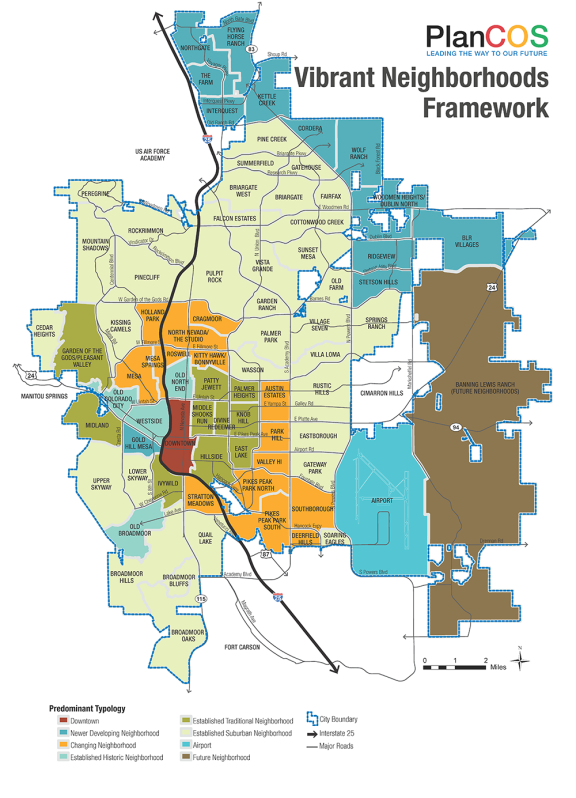


Colorado Springs Is Not a Uniform Market
One of the biggest limitations of online valuations is that they rely heavily on averages. Colorado Springs is not an average city.
Home values here are influenced by:
- Elevation changes
- Proximity to mountains or open space
- Military installations and commute patterns
- Age of housing stock
- HOA structure and amenities
A home on the west side near trails and views behaves very differently from a similar-sized home on the east side in a master-planned community, even if online tools treat them as comparable.
Condition Matters More Than Algorithms Can See
Online valuation tools can’t walk through a home. They don’t see deferred maintenance, updated kitchens, original windows, or a brand-new roof.
Two homes with the same square footage and layout can be tens of thousands of dollars apart in value based on condition alone. In Colorado Springs, where housing stock ranges from historic properties to brand-new construction, condition plays an outsized role.
Online estimates assume “average condition.” Very few homes are truly average.
Views, Trails, and Location Premiums Are Hard to Quantify
Colorado Springs buyers place real value on lifestyle features that are difficult for algorithms to measure.
Homes near:
often command premiums that don’t show up accurately online. Trail access, mountain views, and adjacency to open space don’t follow a simple formula, yet they strongly influence buyer behavior.
A home backing to open space may sell faster and for more than nearby homes, even if the data model can’t fully explain why.
HOAs and Monthly Costs Are Often Ignored
Online value tools rarely account for HOA structure, dues, or restrictions in a meaningful way.
In Colorado Springs, HOA details matter:
- Does the HOA cover exterior maintenance or snow removal
- Are amenities included
- Are there rental restrictions
- Are there upcoming assessments
A condo with high HOA dues and deferred maintenance may look “cheap” online but feel very expensive once monthly costs are considered. Conversely, a higher-priced home with lower ongoing expenses may actually be more affordable long term.
Military Influence Isn’t Fully Captured
Military presence shapes demand in ways that algorithms struggle to interpret.
Proximity to:
- Fort Carson
- Peterson Space Force Base
- Schriever Space Force Base
can influence how quickly a home sells, which price points move fastest, and which features matter most. PCS season alone can shift demand dramatically in certain neighborhoods, something online estimates don’t anticipate well.
Renovations Don’t Always Add Value Equally
Online tools often overestimate the value of renovations or assume they add uniform value.
In reality:
- A remodeled kitchen may add more value in one neighborhood than another
- Finished basements matter more in some areas than others
- Outdoor living spaces are valued differently depending on location and exposure
Local buyer preferences matter, and those preferences change over time. Algorithms lag behind real-world behavior.
Lot Characteristics Are Undervalued
Lot size, slope, usability, and privacy play a major role in Colorado Springs, especially on the west side and in foothills neighborhoods.
Online tools may register lot size, but they don’t understand:
- Steep vs usable land
- Privacy from neighbors
- Noise exposure
- Wind patterns
These factors directly impact how a home lives day to day and how buyers perceive value.
Timing and Momentum Are Missing
Online values are backward-looking. They rely on past sales.
They don’t account well for:
- Sudden shifts in buyer demand
- Seasonal patterns like PCS season
- New construction incentives nearby
- Changes in interest rate sensitivity
In fast-moving or transitioning neighborhoods, online values can lag behind reality, either underestimating or overestimating current market value.
Why Appraisals and CMAs Tell a Different Story
A professional appraisal or a detailed Comparative Market Analysis looks at:
- Recent, relevant comparable sales
- Adjustments for condition, location, and features
- Current market momentum
- Buyer behavior in that specific neighborhood
This human analysis fills in the gaps that algorithms can’t see.
Local professionals also understand micro-markets within the city. Two streets can perform differently even when online tools group them together.
What Homeowners Should Use Online Values For (and Not For)
Online home values are useful as a starting point. They can provide a rough range and help track general market trends.
They should not be used as:
- A pricing strategy
- A negotiation anchor
- A replacement for local market analysis
Treat them like a weather forecast. Helpful for context, unreliable for exact planning.
Final Thoughts
Online home values miss the nuance that defines Colorado Springs real estate. They don’t see views, lifestyle, condition, or buyer emotion. They don’t understand why one home sells in a weekend while another sits.
True value is shaped by location, timing, condition, and how buyers experience a home in real life. Algorithms can’t walk a trail, feel the wind, or sit in traffic at rush hour.
In Colorado Springs, understanding value requires local context. And that context is where the real story lives.
 Colorado Springs Real Estate Blog
Leave a comment