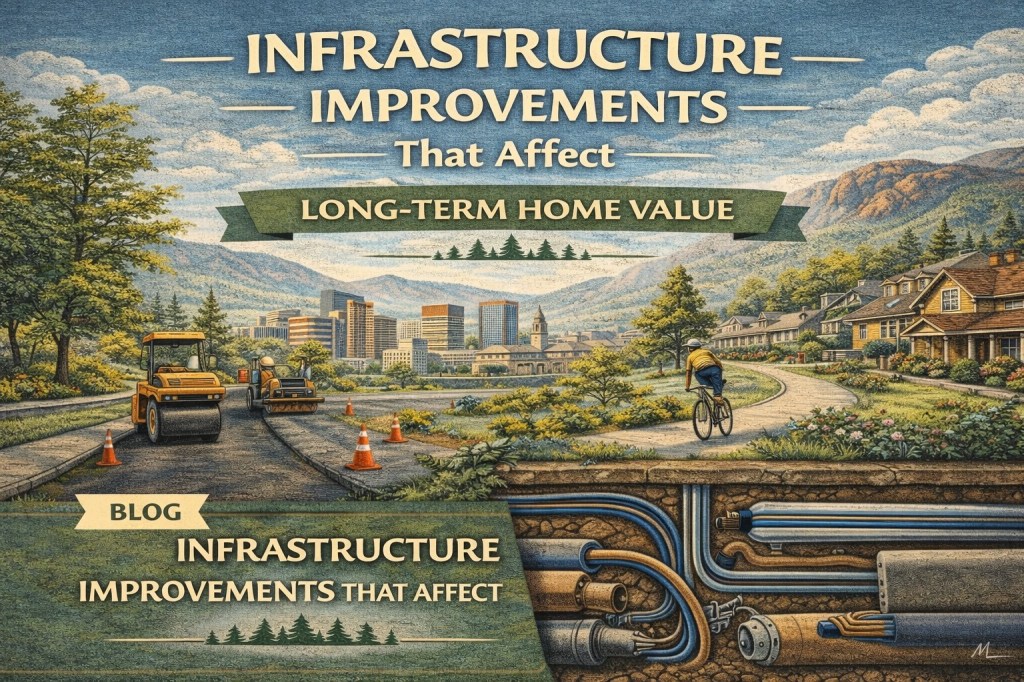
When people think about what makes a home appreciate over time, they usually focus on the house itself. Square footage. Updates. Curb appeal. But some of the most powerful drivers of long-term value have nothing to do with granite countertops or paint colors. They’re outside the front door, under the street, and sometimes miles away.
In Colorado Springs, infrastructure improvements play a huge role in which neighborhoods age well, hold value, and continue to attract buyers year after year. These upgrades quietly shape demand, livability, and resale potential long before most homeowners realize it.

Roads and Transportation Corridors
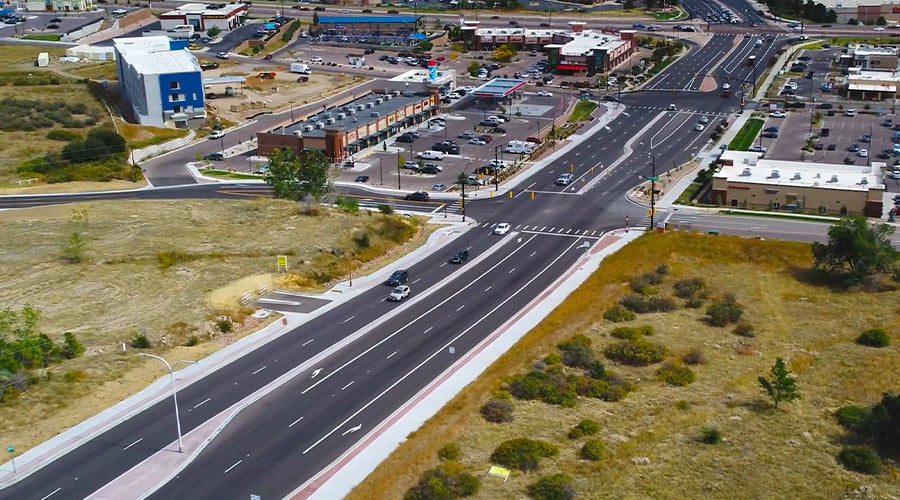
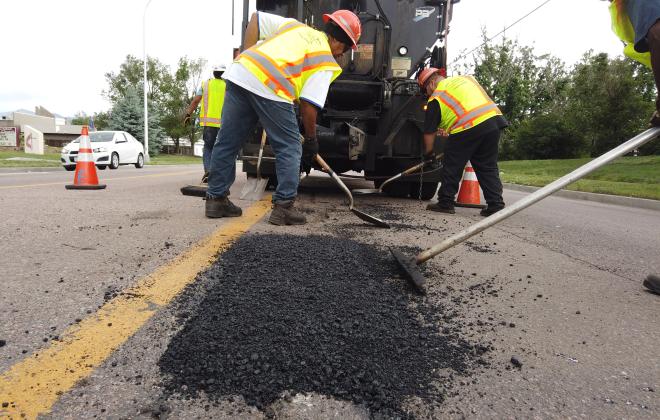
Well-maintained roads and smart transportation planning are foundational to long-term value. Neighborhoods with smooth roadways, clear signage, and efficient access to major corridors consistently outperform areas where infrastructure has been deferred.
In Colorado Springs, improvements along major routes like Powers Boulevard, Woodmen Road, and I-25 have reshaped how people move across the city. Areas that benefit from reduced congestion and improved traffic flow often see increased buyer demand, even if the homes themselves haven’t changed much.
Conversely, neighborhoods affected by constant construction without long-term planning or those cut off from efficient routes can struggle to maintain appeal over time.
Utilities Beneath the Surface
Some of the most valuable infrastructure upgrades are the least visible. Aging water lines, sewer systems, and electrical infrastructure can dramatically impact long-term value.
Older neighborhoods that receive updated utilities often see renewed interest from buyers who want charm without the risk of constant repairs. In Colorado Springs, areas with proactive utility replacement programs tend to age better than those relying on decades-old systems.
Water infrastructure matters even more in Colorado. Modernized systems reduce the risk of line failures, water pressure issues, and costly surprises, all of which influence buyer confidence and resale value.
Sidewalks, Trails, and Connectivity
Walkability is no longer a luxury feature. It’s a value driver.
Neighborhoods with sidewalks, trail connections, and safe pedestrian routes consistently perform better long term. Access to trails and open space isn’t just a lifestyle perk. It’s a permanent amenity that can’t be replicated once land is built out.
Projects tied to trail expansion near places like Palmer Park, Red Rock Canyon Open Space, and Shooks Run Trail have strengthened nearby neighborhoods by improving access and connectivity.
Homes near these corridors tend to retain desirability even during market shifts.
Schools and Public Facilities
Infrastructure includes more than roads and pipes. Schools, libraries, fire stations, and community centers all influence long-term value.
When school buildings are modernized, boundaries stabilized, or new facilities added, nearby neighborhoods often benefit. Buyers look at school infrastructure as a proxy for long-term public investment and stability.
The same is true for emergency services. Neighborhoods near well-funded fire stations and medical facilities tend to feel safer and more established, which supports value retention.
Stormwater and Drainage Improvements
In Colorado Springs, drainage infrastructure matters more than many buyers realize. Neighborhoods with outdated stormwater systems may face erosion, flooding concerns, or foundation issues over time.
Areas that have received drainage improvements, reinforced channels, or updated retention systems tend to perform better long term. Buyers may not notice these upgrades immediately, but inspectors and insurance companies do.
Improved drainage reduces risk, and reduced risk supports value.
Broadband and Technology Infrastructure
Modern buyers expect reliable internet. Neighborhoods with access to high-speed broadband and upgraded communication infrastructure are better positioned for the future.
Work-from-home flexibility has permanently changed buyer priorities. Areas that lag in connectivity often feel outdated faster, regardless of how nice the homes are.
Infrastructure that supports technology isn’t flashy, but it directly affects livability and long-term demand.
Downtown and Commercial Revitalization
Large-scale infrastructure projects can reshape entire sections of the city. Improvements tied to downtown revitalization, mixed-use development, and commercial corridors often lift surrounding neighborhoods.
Ongoing investment near Downtown Colorado Springs has strengthened adjacent areas by improving walkability, adding amenities, and modernizing public spaces. These changes ripple outward, increasing demand in nearby residential neighborhoods over time.
Homes close to revitalized areas often benefit from appreciation driven by infrastructure rather than individual property upgrades.
Public Investment Signals Stability
One of the biggest indicators of future value is where public money is being spent. Infrastructure investment signals confidence in an area’s long-term viability.
Resources and planning initiatives from the City of Colorado Springs help guide where improvements will occur, from road widening to utility upgrades to park enhancements.
Neighborhoods aligned with long-term city planning goals are often better positioned to hold value through market cycles.
What Buyers and Homeowners Should Pay Attention To
If you’re evaluating long-term value, look beyond the house itself and ask:
Are roads and utilities being maintained or upgraded
Is the neighborhood gaining better connectivity or losing it
Are public spaces improving or deteriorating
Is there visible long-term planning in the area
Infrastructure tells a story about where a neighborhood has been and where it’s going.
Final Thoughts
Homes can be renovated, but infrastructure shapes neighborhoods for decades. In Colorado Springs, the areas that age best are often those supported by consistent public investment, thoughtful planning, and upgrades that improve daily life.
Long-term value isn’t just about what’s inside the house. It’s about the systems that support it, the connections around it, and the commitment to keeping the neighborhood functional, accessible, and resilient.
When infrastructure improves, value tends to follow quietly, steadily, and for the long haul.
 Colorado Springs Real Estate Blog
Leave a comment