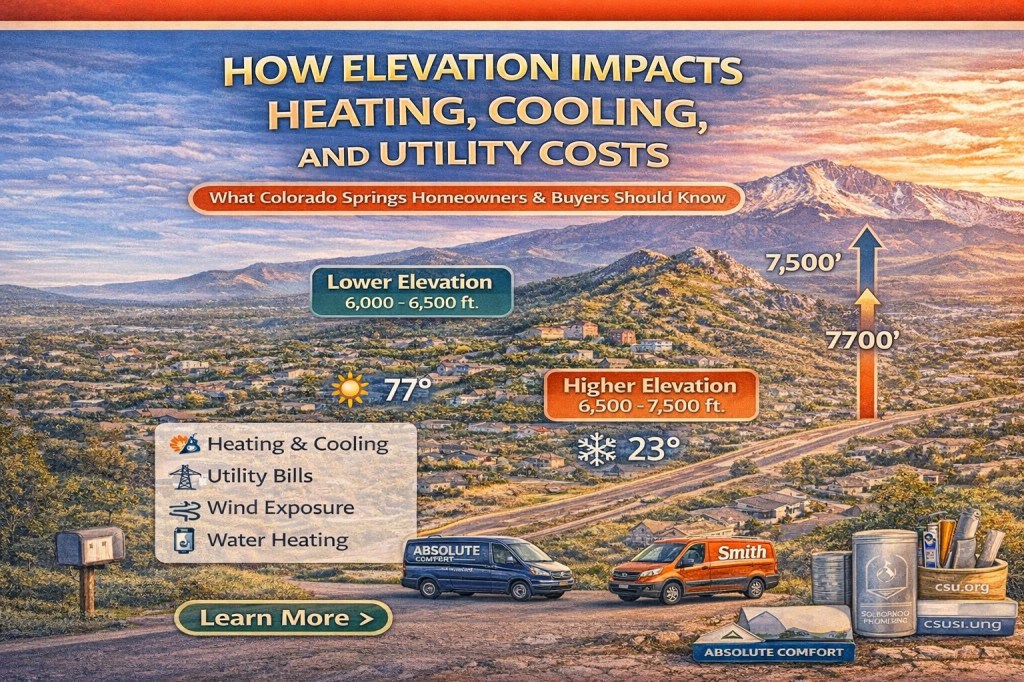
How Elevation Impacts Heating, Cooling, and Utility Costs
What Colorado Springs Homeowners & Buyers Should Know
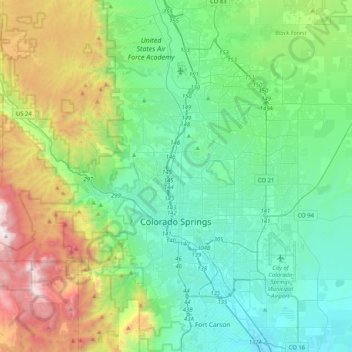
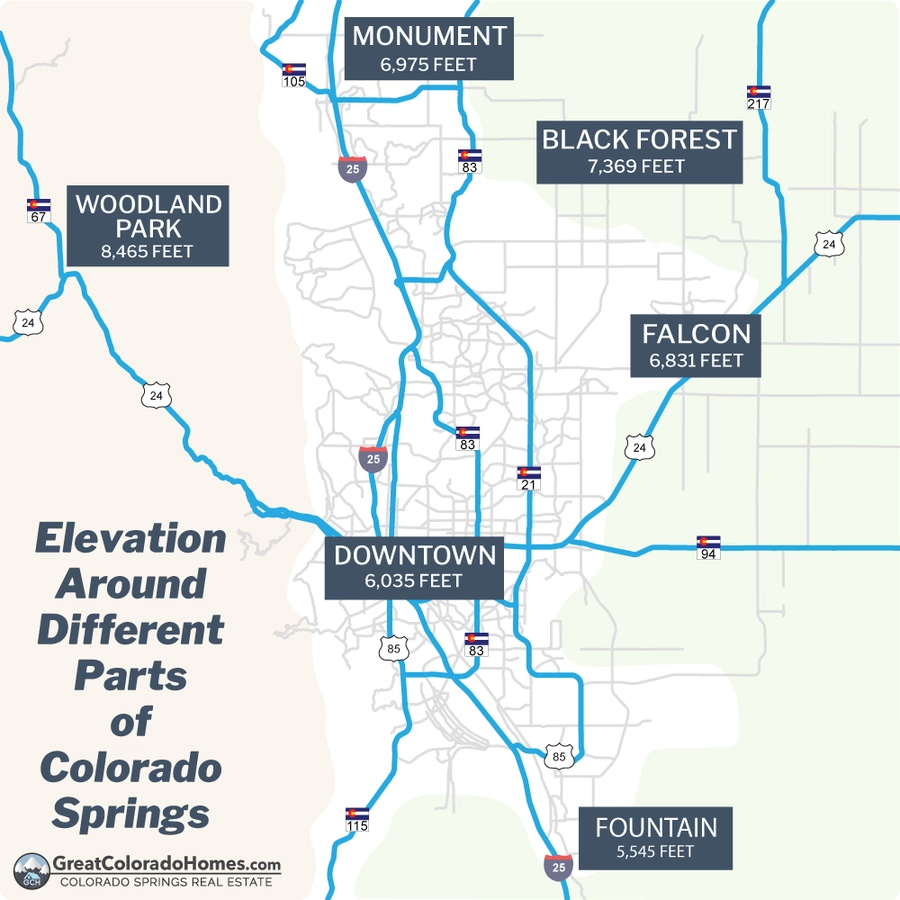
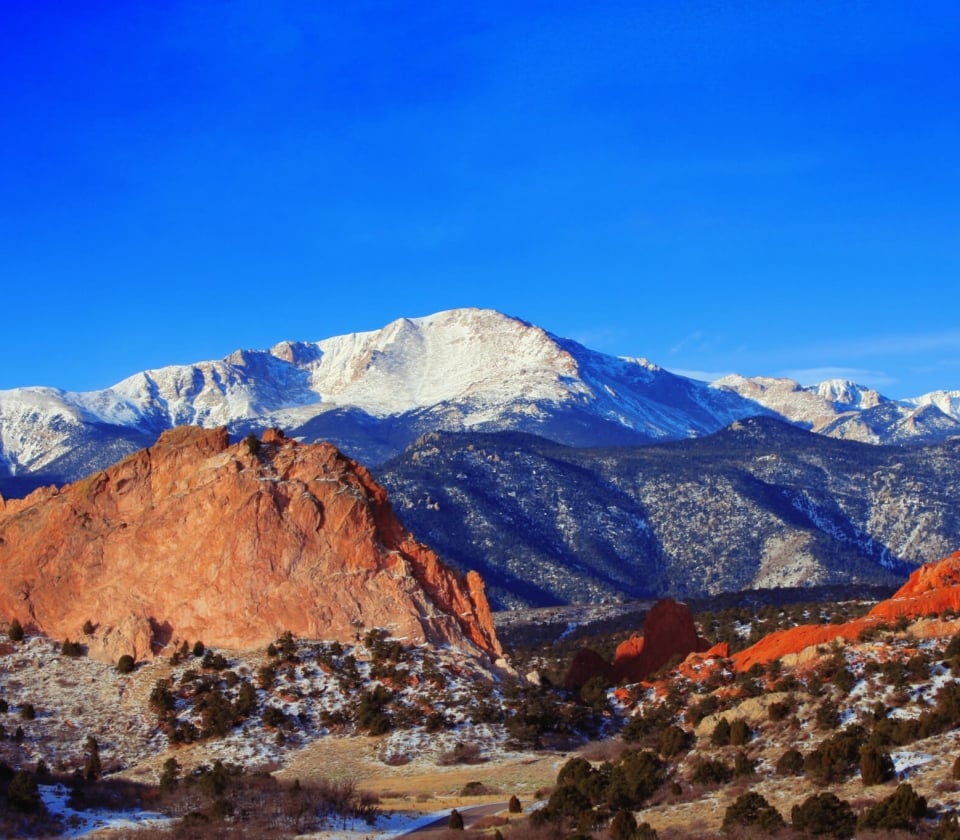
Elevation is one of the most overlooked factors affecting home comfort and monthly utility costs in Colorado Springs. With elevations ranging roughly from 6,000 to over 7,500 feet, two homes just a few miles apart can experience very different heating, cooling, and energy demands.
If you’ve ever wondered why one neighborhood seems cooler, windier, or more expensive to heat than another, elevation plays a big role. Let’s break down how it works and why it matters for homeowners, buyers, and anyone budgeting for utilities in the Pikes Peak region.
Colorado Springs Is Not One Elevation
Colorado Springs sits along the Front Range, with elevation increasing as you move west toward the foothills and decreasing toward the eastern plains.
Higher-elevation areas often include:
Lower-elevation areas include:
- Southeast Colorado Springs
- Parts of downtown
- Fountain Valley
- Widefield and Security
A difference of even 1,000 feet in elevation can significantly impact temperatures, wind exposure, and heating needs.
How Elevation Affects Heating Costs
The higher the elevation, the colder the average temperatures, especially overnight.
At higher elevations:
- Winters are longer and colder
- Snow lingers longer on the ground
- Nighttime heat loss is greater
- Furnaces run more frequently
Homes in foothill neighborhoods often require:
- Higher-efficiency furnaces
- Better insulation
- Well-sealed windows and doors
According to the U.S. Department of Energy, homes at higher elevations experience increased heat loss due to colder air density and wind exposure, which can raise heating costs if systems aren’t optimized.
Local HVAC professionals frequently see this difference firsthand. Many homeowners rely on True North Heating and Cooling who specialize in high-efficiency heating systems designed for Front Range elevation and climate conditions.
Cooling Costs: Lower Elevation vs. Higher Elevation
Cooling costs often flip the script.
At lower elevations:
- Summer temperatures are warmer
- Cooling systems run longer
- Homes may rely more heavily on central AC
At higher elevations:
- Temperatures cool off faster in the evenings
- AC use is often minimal or unnecessary
- Natural ventilation becomes more effective
This is why many foothill homes don’t even have air conditioning, while homes farther east almost always do.
However, higher elevation doesn’t mean no cooling costs. Strong sun exposure and thinner air can still lead to heat gain during the day, especially in homes with large west-facing windows.
Wind Exposure and Energy Loss
Elevation also impacts wind patterns.
Higher elevation neighborhoods tend to experience:
- Stronger and more consistent winds
- Greater air infiltration
- Increased heat loss in winter
If a home isn’t properly sealed, wind can dramatically increase heating costs. This makes weather stripping, attic insulation, and proper duct sealing especially important in elevated areas.
Local insulation and energy-efficiency specialists like Colorado Insulation often work with homeowners to reduce energy loss caused by elevation-related wind exposure.
Utility Costs Vary by Location, Not Just Usage
Utility costs aren’t only about how much energy you use, but how hard your systems have to work.
In El Paso County:
- Homes at higher elevations often see higher winter gas bills
- Homes at lower elevations may see higher summer electric bills
- Wind and solar exposure can change energy efficiency
Colorado Springs Utilities provides helpful insight into local usage trends and conservation tips:
👉 https://www.csu.org
Understanding these patterns helps buyers compare homes realistically instead of assuming similar square footage equals similar bills.
Elevation and Water Heating
Higher elevations also affect water heating.
Cold groundwater temperatures mean:
- Water heaters work harder
- Hot water recovery time may be slower
- Energy usage increases, especially in winter
Tankless and high-efficiency water heaters are often recommended in elevated neighborhoods to offset this increased demand.
Local plumbing professionals such as Smith Plumbing frequently advise homeowners on systems better suited for high-altitude conditions.
What Buyers Should Ask Before Purchasing
When buying a home in Colorado Springs, elevation-related questions are smart, not picky.
Ask about:
- Average winter heating bills
- AC usage in summer
- Insulation upgrades
- Window efficiency
- Wind exposure
These factors don’t always show up in listing photos but absolutely show up in monthly expenses.
Elevation, Energy Efficiency, and Long-Term Value
Homes designed with elevation in mind often:
- Age better
- Have lower long-term maintenance costs
- Appeal more to energy-conscious buyers
Energy-efficient upgrades can help offset higher utility costs and improve resale value, especially in foothill neighborhoods.
Final Thoughts
Elevation quietly shapes daily life in Colorado Springs. From heating and cooling needs to utility costs and system longevity, where a home sits vertically can matter just as much as where it sits on the map.
Understanding how elevation impacts energy use helps homeowners plan smarter upgrades and helps buyers set realistic expectations before falling in love with a view.
Because in Colorado Springs, altitude isn’t just a number, it’s a lifestyle factor.
 Colorado Springs Real Estate Blog
Leave a comment